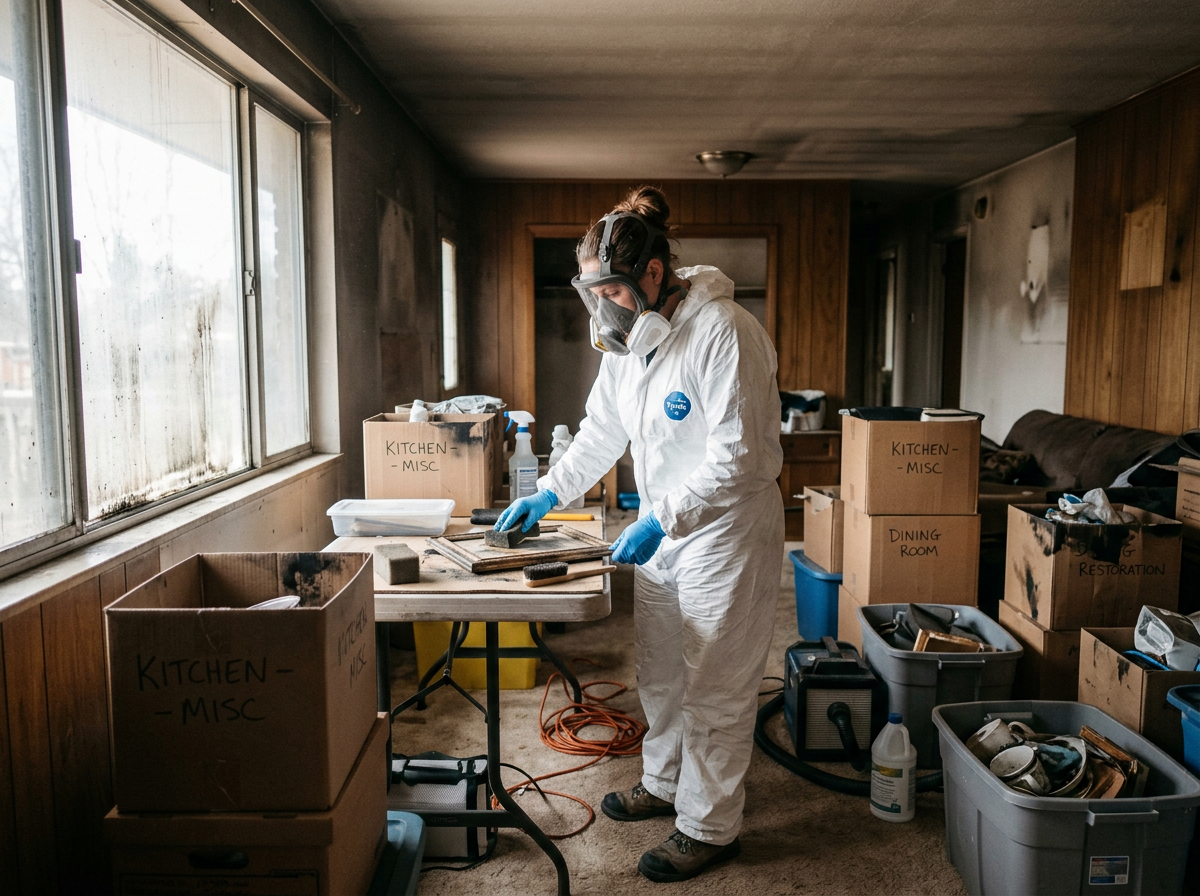
Castle Rock sits north of Colorado Springs along the Front Range with foothills rising quickly to the west. This terrain brings faster wind shifts and dry grass interfaces that can turn a structure fire into a larger event. Crews driving up from the base must factor in I-25 traffic and the climb to reach neighborhoods tucked against open space.
Housing stock mixes older ranch homes near downtown with newer subdivisions on the east side. Narrow driveways and recent fencing in many cul-de-sacs slow equipment placement. Smoke migration through vaulted ceilings and attached garages is common, requiring targeted air scrubbing and odor removal that accounts for the dry climate.
Water supply is mostly municipal yet some eastern-edge properties still use wells. Restoration teams adjust extraction and drying plans accordingly while working around the 24-hour availability the company maintains from Colorado Springs.
Crews covering Castle Rock also work in Peyton, including emergency board-up.
Around Castle Rock
We regularly work near:
- 📍Philip S. Miller Park
- 📍Outlets at Castle Rock
- 📍The Rock formation
- 📍Wilcox Street downtown
- 📍Douglas County Courthouse
Fire Damage Restoration in Castle Rock — Local Notes
- •Foothill winds in Castle Rock can push smoke deeper into attics and crawl spaces than flatter areas to the south.
- •Newer east-side subdivisions often have tight side yards that limit trailer positioning for large dehumidifiers.
- •Older downtown homes near Wilcox Street feature balloon framing that lets smoke travel between floors more readily.
- •Response from the Colorado Springs shop typically takes thirty to forty-five minutes via I-25 depending on time of day.