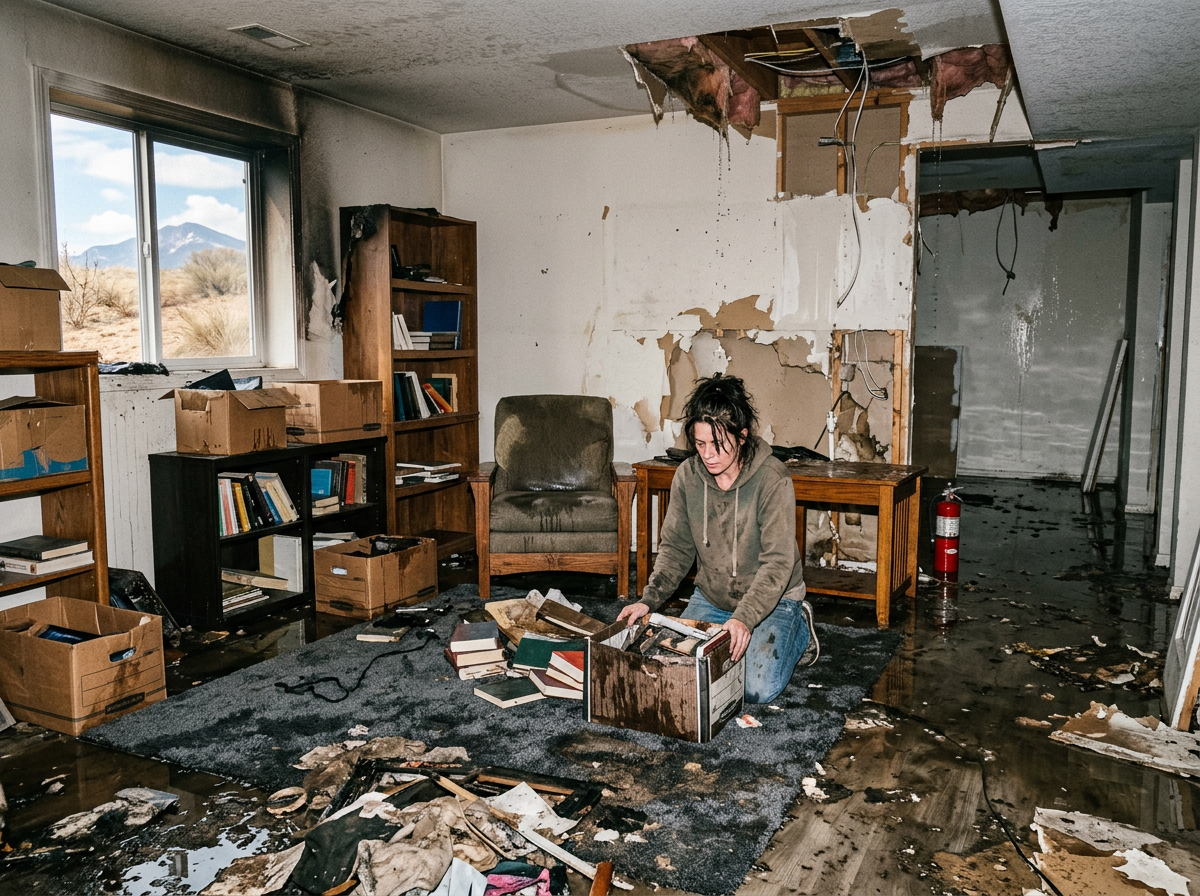
Englewood sits on the northern edge of the service area, so crews from Colorado Springs face a longer run up I-25 and US-85. That distance means smoke can set deeper into the tight 1950s and 1960s frame and brick homes common west of Broadway before arrival. Older plaster walls and knob-and-tube wiring in blocks near the Highline Canal also change how technicians trace hidden char.
Lots here are narrower than those on the eastern plains, so equipment must be staged on street parking rather than side yards. The South Platte River corridor adds humidity that keeps soot wet and acidic longer, requiring different neutralization steps than the drier Monument or Calhan jobs. Twenty-four-hour dispatch helps offset the travel gap.
Fountain and Pueblo properties rarely share these urban access quirks, so each Englewood project starts with a site-specific path through alleys and shared driveways that only local crews learn by repetition.
Crews covering Englewood also handle smoke damage restoration after a fire.
Around Englewood
We regularly work near:
- 📍Belleview Park
- 📍Centennial Park
- 📍Englewood Public Library
- 📍Highline Canal Trail at Dartmouth
- 📍Broadway & Hampden intersection
- 📍Malley Recreation Center
Fire Damage Restoration in Englewood — Local Notes
- •Narrow lots and rear alleys around Washington and Jefferson streets force equipment placement on pavement instead of lawns.
- •Mid-century plaster and lath in neighborhoods west of Santa Fe Drive holds smoke odor longer than newer drywall.
- •Proximity to the South Platte increases moisture retention in subfloors after suppression water sits.
- •Response from Colorado Springs routinely adds 45–60 minutes versus Denver-based crews during peak traffic.