2026-09-02 · Scott Pendleton
Why Fire Suppression Water Causes More Damage Than the Flames
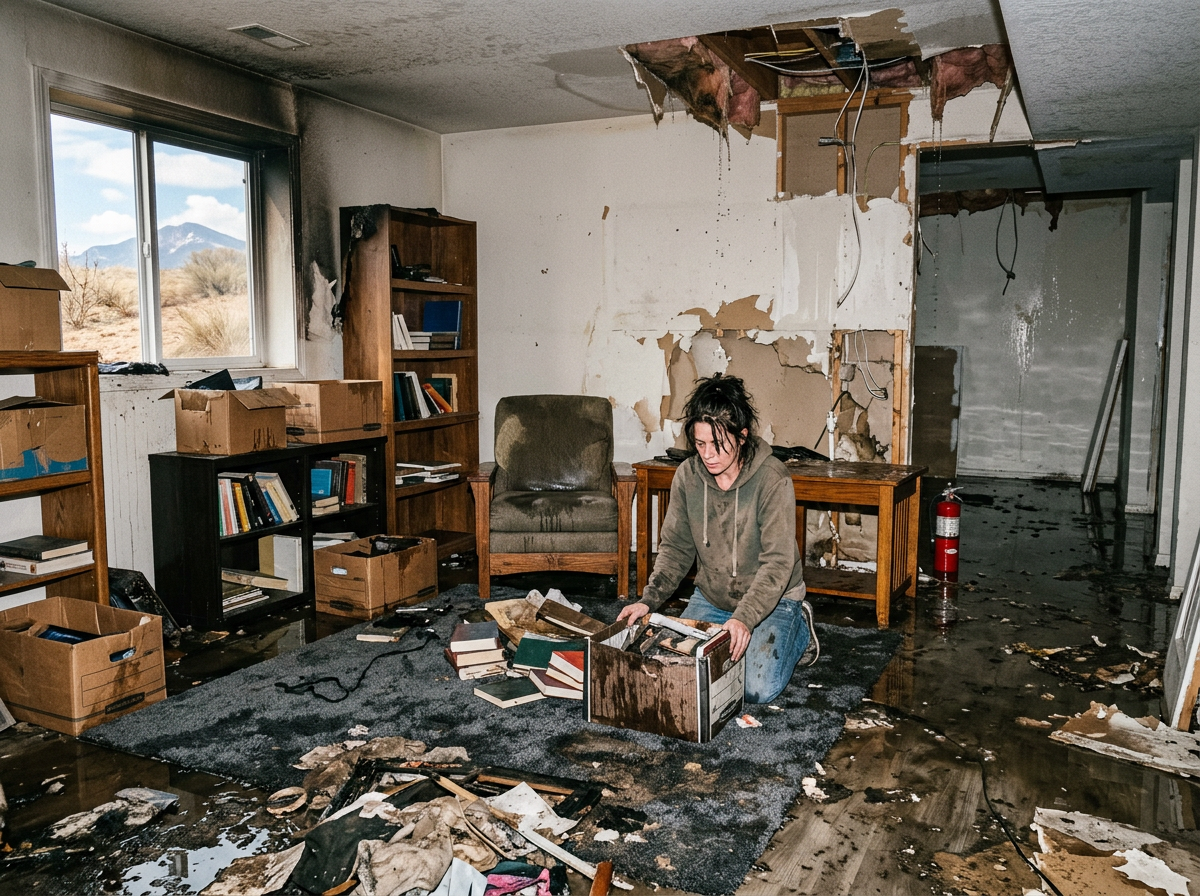
Fire suppression water reaches structures faster and in greater volume than flames in most Colorado Springs incidents, saturating drywall, insulation, and subfloors before crews secure the scene. This moisture then migrates into cavities and HVAC systems, where the region's dry air at 6,035 ft keeps particulates moving until they bind with wet surfaces. The result is widespread secondary damage that appears days after the fire is out.
How Water Moves Through a Structure After Suppression
Once water enters through attic vents or HVAC intakes, it travels along joists and settles in low spots such as crawl spaces and wall cavities. In the wildland-urban interface across El Paso County, homes built near open land often have multiple entry points that allow water to bypass visible burn areas. Materials like oriented strand board and fiberglass insulation hold moisture longer than they appear to, turning small leaks into large-scale problems. Homeowners notice musty smells or warped trim first, but the source usually traces back to suppression runoff rather than direct flame contact. Checking baseboards and electrical outlets with a moisture meter reveals the true extent within the first 48 hours.
Secondary Effects That Outlast the Initial Fire
Moisture from suppression combines with smoke residue to produce acidic conditions that corrode metal fasteners and wiring. In Colorado's low-humidity climate, this process accelerates once temperatures fluctuate between day and night. Porous items such as carpet padding and upholstered furniture absorb both water and soot, locking odors in place until professional extraction occurs. The Waldo Canyon Fire and Black Forest Fire showed how even homes that never burned still required extensive drying after suppression efforts reached nearby properties. Without prompt removal of standing water, microbial growth begins on cellulose materials and spreads through shared air ducts.
Insurance and Documentation Realities in Colorado
Colorado insurance adjusters treat suppression water as a covered peril under most policies when it arrives with a structure fire, yet documentation must separate water damage from smoke damage to avoid coverage gaps. Photographs taken before drying begins help establish the sequence of events. Does Homeowners Insurance Cover Smoke Damage in Colorado? outlines the claim steps many El Paso County residents follow after events like the 2013 Black Forest Fire. Pairing those records with moisture logs supports requests for water damage cleanup after fire rather than limiting scope to smoke alone.
Practical Steps While Waiting for Restoration
Avoid running HVAC systems until ducts are inspected, because fans can spread damp soot into unaffected rooms. Remove standing water from hard surfaces with a wet vac if safe to do so, and prop open interior doors to promote airflow without creating drafts that pull smoke deeper into insulation. Smoke Damage Restoration teams often coordinate with water extraction crews to address both issues in one visit. Tracking which rooms received the heaviest water application helps prioritize which areas need first attention once professionals arrive.
Document every room with dated photos and note any odors that develop after the first 24 hours. This record supports both insurance and the restoration plan.